The 5 CNCF Projects That Quietly Decide Your DevOps Career
Think DevOps is just Docker and Kubernetes? These 5 CNCF projects quietly decide how systems scale, recover from failures, and shape your DevOps career.
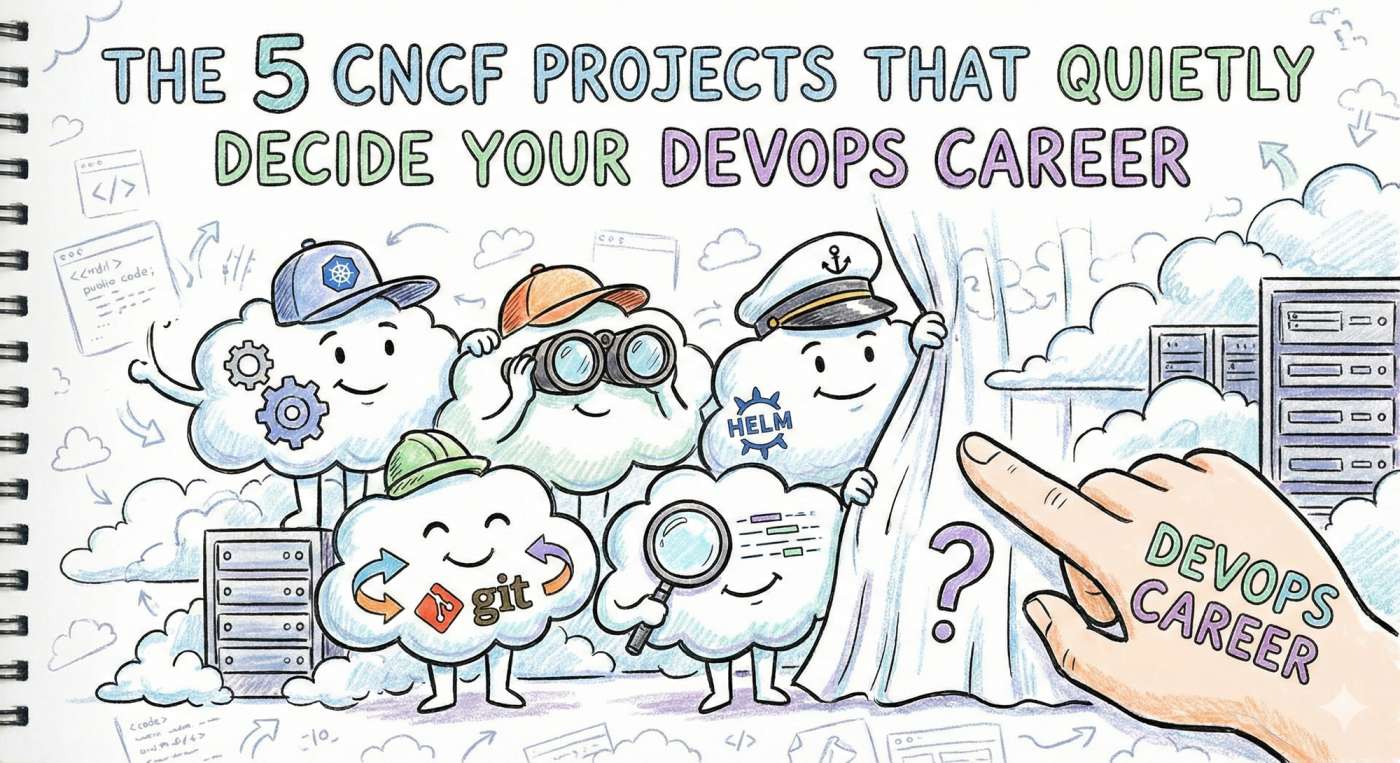
Most beginners think DevOps is just a trio:
- Docker
- Kubernetes
- AWS
But real DevOps is much bigger than a tool list.
It’s about how systems handle traffic, survive crashes, recover from failures, scale under pressure, and ship changes without breaking production. In short, it’s how the internet stays alive.
At the center of this world sits CNCF (Cloud Native Computing Foundation). Many of the tools running modern infrastructure are built and maintained inside this ecosystem.
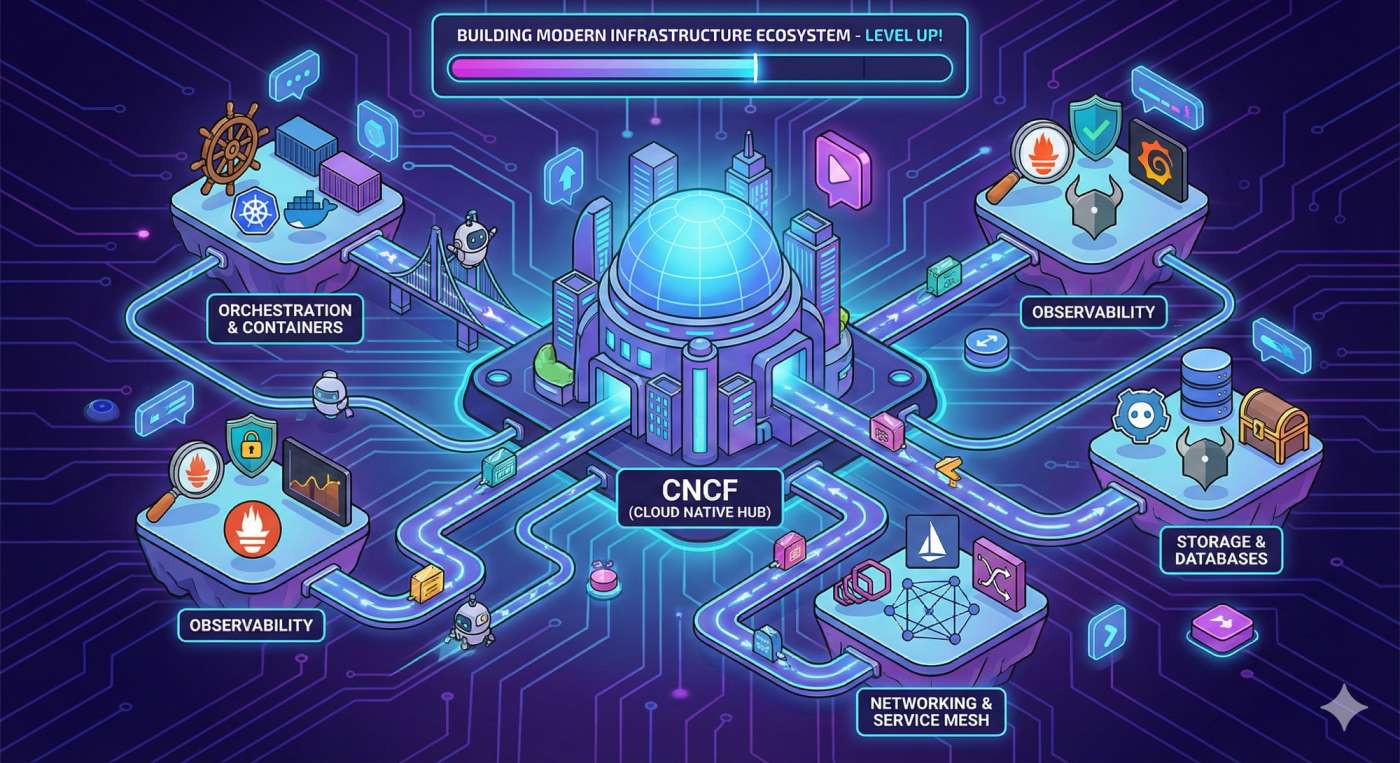
If you want to move beyond tutorials and become industry-ready, there are five CNCF projects worth following closely. You don’t need to master them instantly. Just follow them, explore them, and grow into them over time.
1. Kubernetes: The Operating System of the Cloud ⚙️
Everyone mentions Kubernetes.
Not everyone understands its real role.
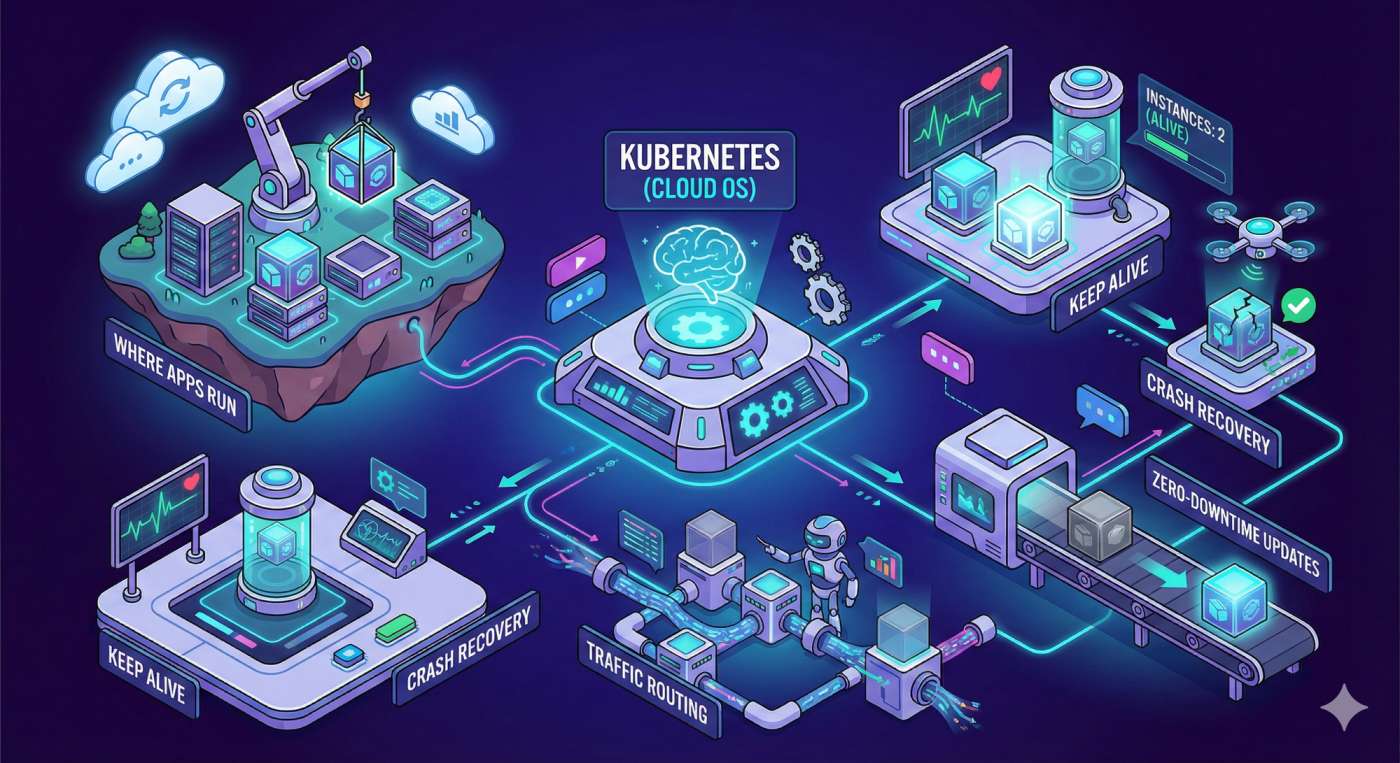
Kubernetes isn’t just “container software.” It decides:
- Where your applications run
- How many instances stay alive
- What happens when something crashes
- How traffic is routed
- How updates happen without downtime
From startups to tech giants, Kubernetes runs production everywhere.
You don’t need to be a Kubernetes admin on day one. But if you completely ignore it, you cut yourself off from most serious DevOps opportunities.
Following Kubernetes teaches you:
- How resilient systems stay online
- How scaling actually works
- How production traffic is handled
That’s core DevOps knowledge.
2. Prometheus: The Eyes That Watch Production 👀
You can’t fix what you can’t see.
Prometheus is the monitoring brain behind cloud systems. It tells you:
- Is CPU spiking?
- Is memory leaking?
- Is latency rising?
- Did something silently fail?
Without monitoring, DevOps becomes blind guesswork.
Most real outages spiral because:
- Alerts didn’t fire
- Metrics weren’t visible
- Teams reacted too late
Learning Prometheus slowly changes your mindset. You stop thinking like a student reading code. You start thinking like an engineer reading system behavior.
3. Helm: How Real Teams Deploy Without Drama📦
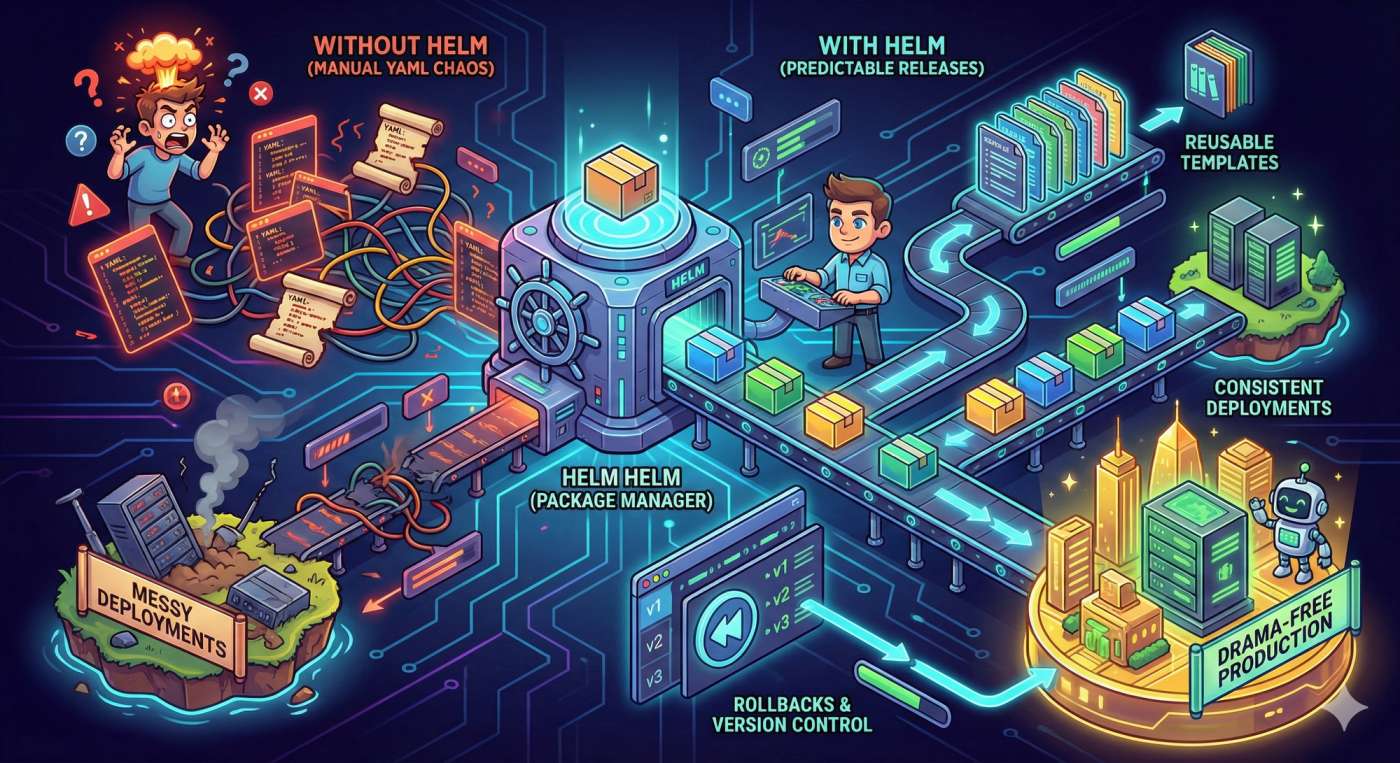
Helm is often called the package manager for Kubernetes. But in practice, it solves a bigger problem:
- It turns repetitive YAML into reusable templates.
- It makes deployments consistent.
- It enables rollbacks and version control.
Without Helm, Kubernetes deployments become messy fast.
With Helm, releases become predictable.
If you ever work in a real DevOps or platform team, Helm will already be part of the pipeline.
4. Argo CD: Where Git Becomes Production🔁
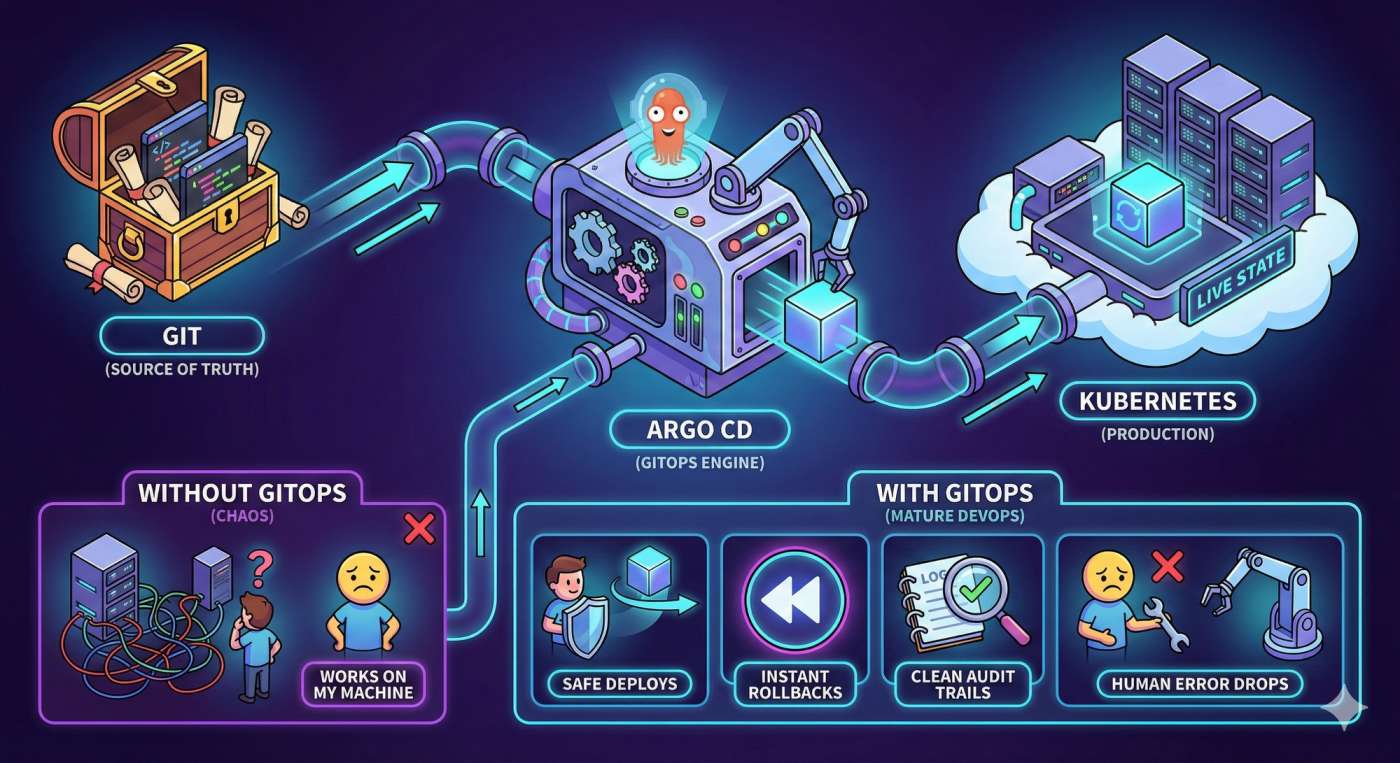
Modern DevOps treats Git as the single source of truth.
Argo CD connects Git directly to Kubernetes. Whatever is defined in Git becomes the live state in production.
That means:
- No manual server access
- No confusion about running versions
- No “works on my machine” surprises
This practice is called GitOps, and Argo CD is one of its strongest engines.
Understanding Argo CD shows you how:
- Large teams deploy safely
- Rollbacks happen instantly
- Audit trails stay clean
- Human error drops drastically
This is mature DevOps in action.
5. OpenTelemetry: The Nervous System of Observability 🔍
Modern systems don’t fail loudly they fail silently, across layers.
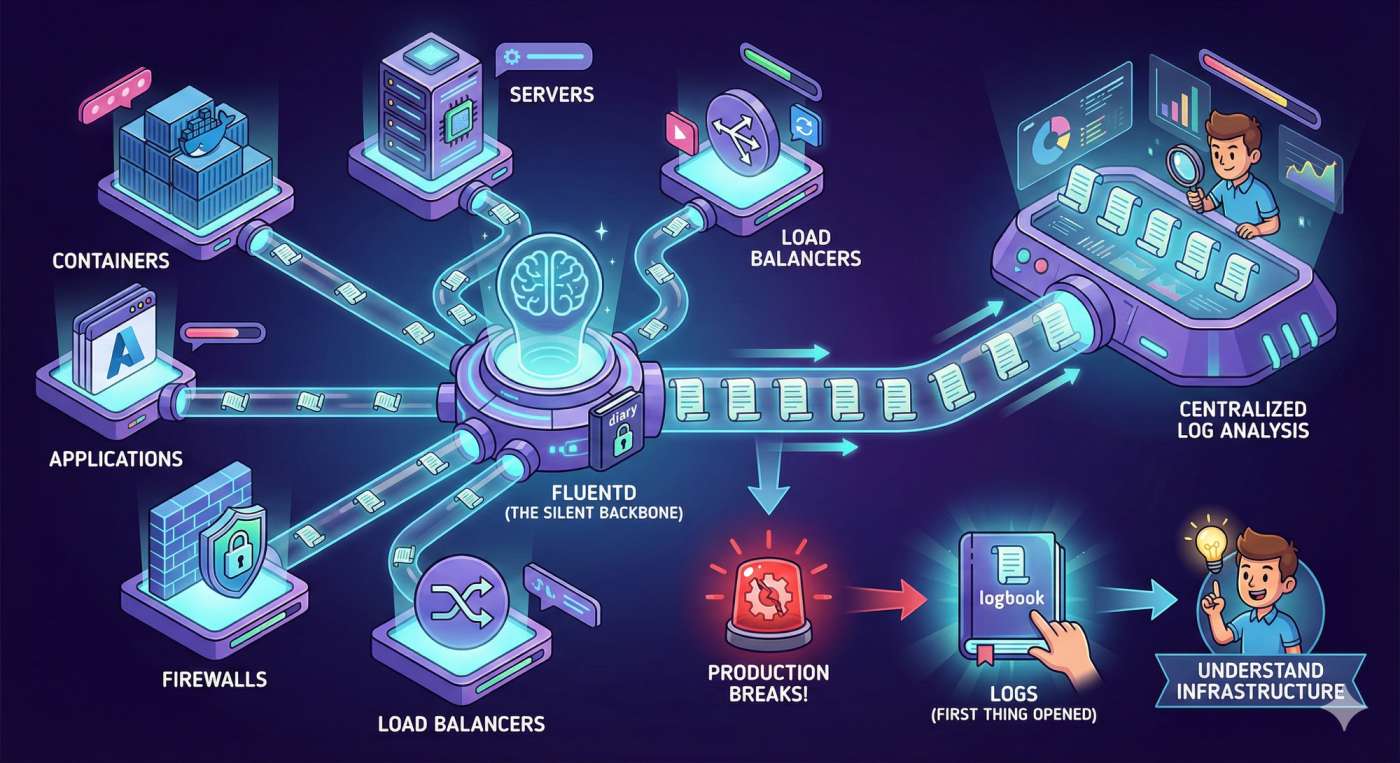
OpenTelemetry helps you understand what’s really happening by collecting:
- Metrics
- Logs
- Traces
- Service interactions
- Performance signals
Instead of isolated monitoring data, Otel brings everything together into a unified observability pipeline.
It captures telemetry from applications, infrastructure, and services, then exports it to platforms where engineers can visualize and analyze system behavior end-to-end.
When production incidents happen, traces reveal request journeys, metrics highlight pressure points, and logs provide context.
If monitoring shows symptoms, OpenTelemetry shows the story behind them. Today, it’s becoming the standard foundation for observability pipelines across modern cloud-native environments.
CNCF Is More Than Tools, It’s a Global Playground 🌍
CNCF isn’t a company selling software. It’s a global open-source ecosystem where engineers contribute:
- Code
- Documentation
- Testing
- Security fixes
- Community help
- Tutorials
You don’t need to be an expert to join. Many people start by:
- Improving documentation
- Testing new releases
- Helping in community channels
- Writing blogs
- Answering beginner questions
This is how real cloud-native careers grow; by participating, not just consuming content.
CNCF Events: Where Careers Actually Start 🎤
CNCF organizes global events like:
- KubeCon + CloudNativeCon
- Kubernetes Community Days
- Open-source summits
These events connect:
- Project maintainers
- Platform engineers
- Startup teams
- Open-source contributors
Many students attend through scholarships. For many engineers, this is the doorway into the real cloud-native world.
Why These 5 Projects Beat 50 Random Tools
Beginners often try to learn:
- Every trending DevOps tool
- Multiple clouds at once
- Dozens of frameworks together
That leads to confusion, not competence.
But by following just:
- Kubernetes
- Prometheus
- Helm
- Argo CD
- OpenTelemetry
You already cover:
- Infrastructure orchestration
- Monitoring
- Deployment automation
- GitOps
- Observability
That foundation alone puts you ahead of most beginners.
Final Thoughts
DevOps is not about collecting tools. DevOps is about:
- Reliability
- Automation
- Visibility
- Recovery
- Speed
- Collaboration
The CNCF ecosystem is where these principles live in the open.
- Start small.
- Follow one project.
- Read one issue.
- Explore one release.
- Join one community.
That’s how real DevOps journeys begin.
“Strong DevOps careers aren’t built by chasing tools. They’re built by following ecosystems.”
Thanks for reading the blog. To stay ahead in DevOps and for more amazing blogs, Subscribe to DevOps Inside.